
The Antikythera Mechanism: The Ancient Computer That Changed History
For centuries, historians believed that sophisticated mechanical technology only emerged during the Middle Ages. That assumption changed forever in 1901 when Greek sponge divers stumbled upon a mysterious shipwreck near the island of Antikythera. Hidden among marble statues, pottery, and bronze artifacts was a heavily corroded object that would later become one of archaeology’s most astonishing discoveries.
Known today as the Antikythera Mechanism, this remarkable artifact has often been called the world’s first analog computer. Despite being over 2,000 years old, it demonstrated an extraordinary level of engineering that seemed centuries ahead of its time.
A Discovery Beneath the Sea
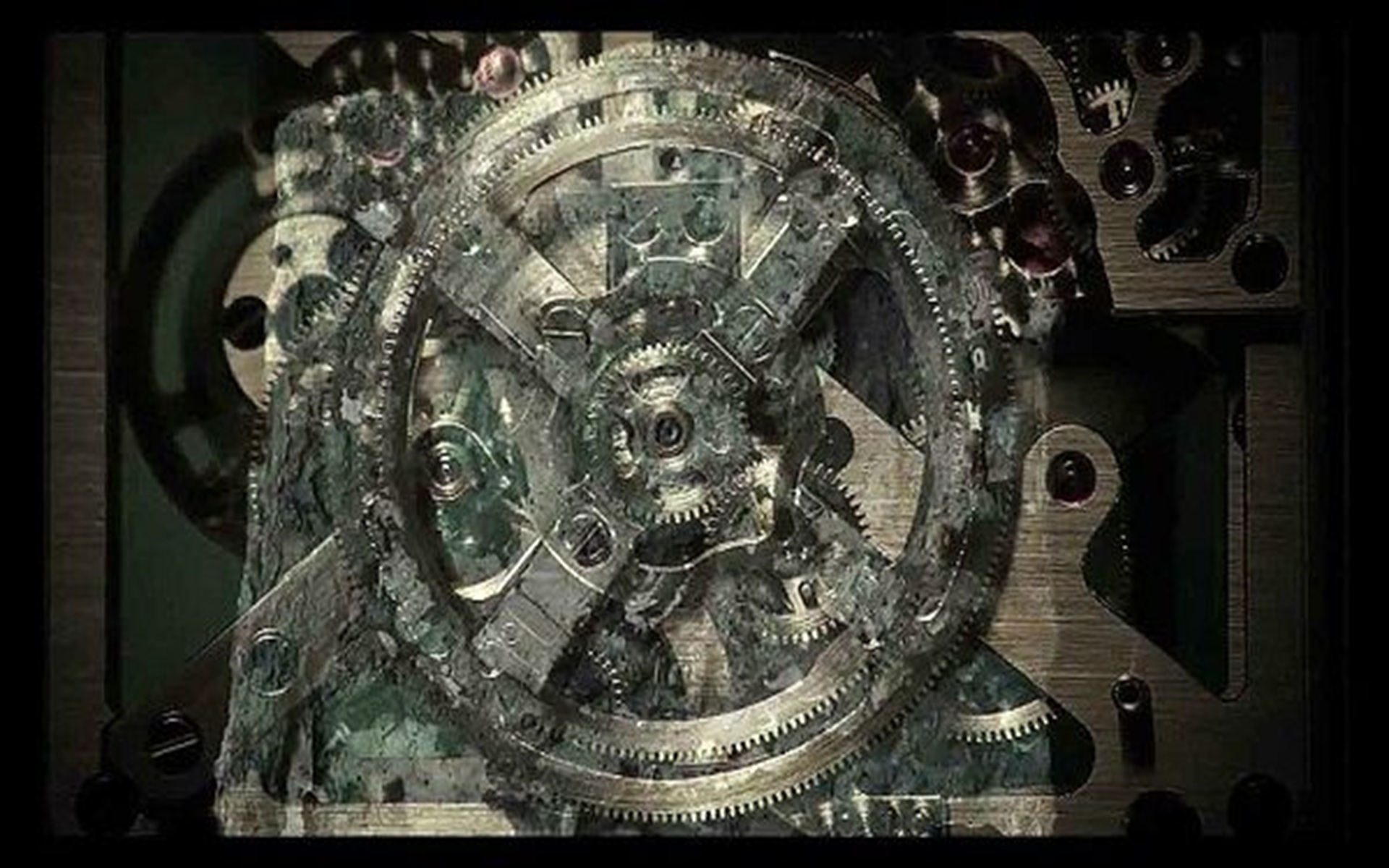
The Antikythera shipwreck dates back to approximately the first century BC. When divers first recovered the object, it appeared to be nothing more than a lump of bronze and wood. Years later, archaeologists noticed intricate bronze gears hidden inside the corrosion.
Further examination revealed dozens of interlocking gears designed with remarkable precision. As researchers studied the mechanism, they realized it was not a simple instrument but an incredibly advanced scientific device.
The discovery challenged long-standing assumptions about the technological capabilities of the ancient Greek world.
How the Mechanism Worked
Modern imaging techniques, including X-ray tomography, have allowed scientists to look inside the artifact without damaging it. These scans revealed a complex network of more than thirty bronze gears working together.
By turning a small hand crank, users could predict astronomical events with surprising accuracy. The mechanism was capable of tracking:
- The movement of the Sun
- The phases of the Moon
- Lunar and solar eclipses
- The positions of several known planets
- Ancient Greek calendars
- Dates of important athletic competitions, including the Olympic Games
For a machine created more than two millennia ago, these functions were nothing short of extraordinary.
Engineering Far Ahead of Its Time
One of the most remarkable features of the Antikythera Mechanism is its intricate gear system. Some gears contained over two hundred precisely cut teeth, requiring exceptional craftsmanship.
Historians once believed such mechanical sophistication did not appear until European clockmakers developed similar gear systems nearly 1,500 years later.
This suggests that ancient Greek engineers possessed advanced mathematical knowledge, precision metalworking skills, and an impressive understanding of astronomy.
Who Built It?
The true creator of the Antikythera Mechanism remains unknown.
Some scholars believe it may have been influenced by the work of Archimedes, the famous Greek mathematician and inventor. Others suggest connections to Hipparchus, whose groundbreaking studies of astronomy may have inspired the mechanism’s design.
Although no definitive evidence identifies its maker, most researchers agree that the device originated within the scientific traditions of Hellenistic Greece.
Why Was It Lost?
Perhaps the greatest mystery is why technology like the Antikythera Mechanism seemingly disappeared.
No other machine of similar complexity has survived from antiquity. Some historians believe only a handful were ever constructed for wealthy scholars or rulers. Others argue that many were simply destroyed over time through wars, natural disasters, or the recycling of valuable bronze.
The collapse of major centers of learning may also have contributed to the loss of the specialized knowledge required to build such devices.
Modern Research Continues
The Antikythera Mechanism continues to fascinate researchers around the world. Advances in digital imaging, computer modeling, and engineering have helped scientists reconstruct many of its original functions.
Each new study uncovers additional details about its construction and purpose, offering fresh insight into the remarkable scientific achievements of the ancient world.
Although many questions remain unanswered, the mechanism has become one of the most important archaeological artifacts ever discovered.
Why It Matters Today
The Antikythera Mechanism reminds us that history is often more complex than we imagine. Ancient civilizations were capable of innovations that rivaled technologies developed many centuries later.
Its discovery encourages archaeologists to reconsider assumptions about lost knowledge and forgotten inventions. More importantly, it demonstrates that curiosity, observation, and scientific thinking have driven human progress for thousands of years.
As one of archaeology’s greatest treasures, the Antikythera Mechanism stands as a powerful symbol of humanity’s enduring quest to understand the universe.