
The Lost City of Petra Hidden Within the Desert Cliffs
For hundreds of years, the ancient city of Petra remained hidden from much of the world. Nestled within towering sandstone cliffs in present-day Jordan, this remarkable city flourished as a thriving center of trade before gradually fading into history. Today, Petra stands as one of the greatest archaeological treasures ever discovered, attracting researchers and visitors eager to uncover its remarkable past.
Its breathtaking rock-cut architecture, sophisticated engineering, and mysterious decline continue to make Petra one of the most fascinating sites on Earth.
A City Built Into Stone
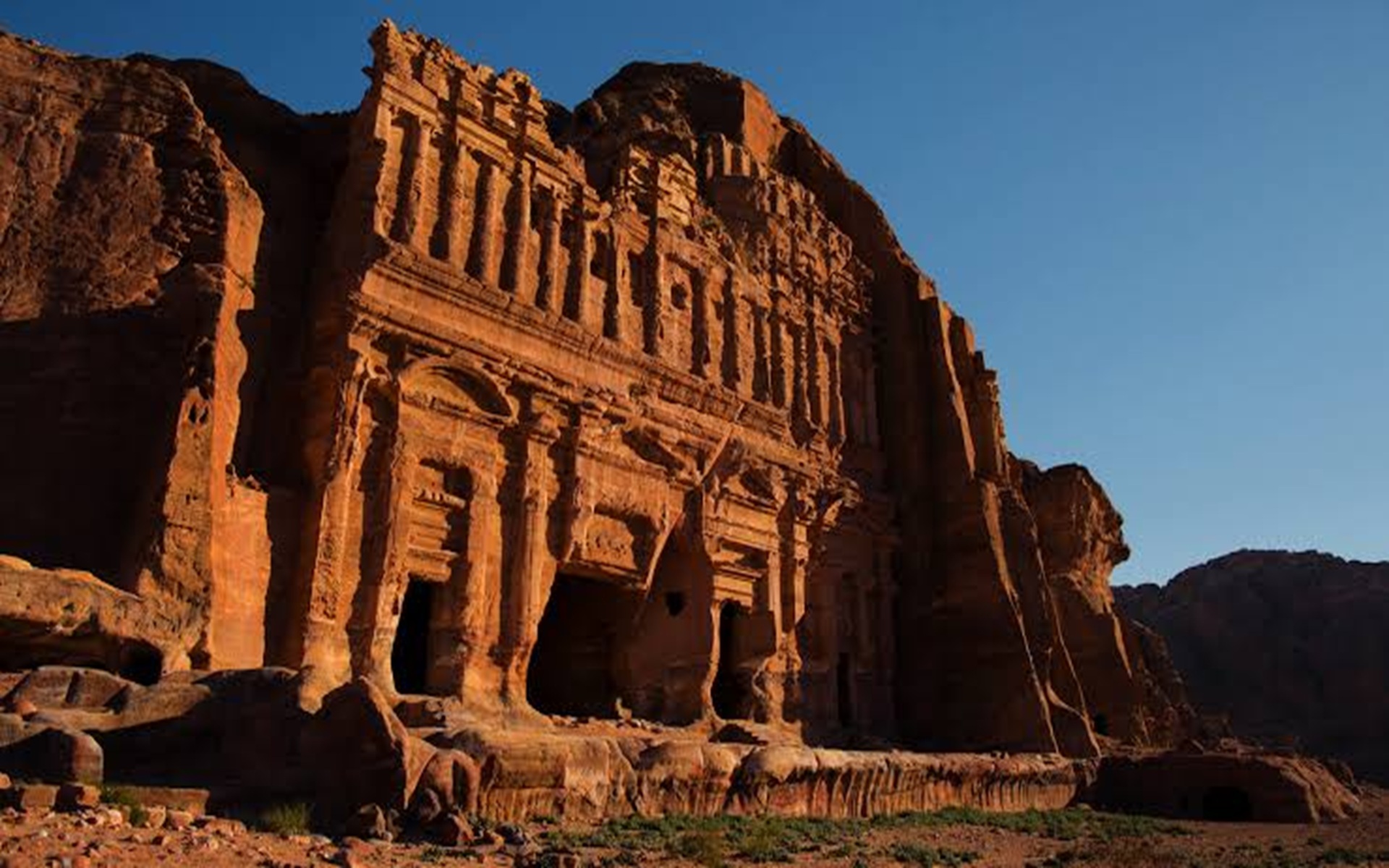
Unlike most ancient cities, Petra was carved directly into colorful sandstone cliffs rather than constructed with stacked blocks of stone.
Its most famous structure, commonly known as the Treasury, features an elaborate façade sculpted into a towering cliff face. Beyond this iconic monument lies an extensive network of temples, tombs, homes, stairways, and ceremonial buildings stretching across a vast desert valley.
The scale of construction demonstrates extraordinary planning and craftsmanship that still impresses archaeologists today.
The Kingdom of the Nabataeans
Petra was established by the Nabataeans, an Arab civilization that became wealthy through long-distance trade.
Its strategic location connected important trade routes linking Arabia, Egypt, the Mediterranean, and Mesopotamia. Merchants transported valuable goods such as spices, incense, silk, precious stones, and exotic perfumes through the city.
This constant movement of goods transformed Petra into one of the richest commercial centers of the ancient world.
Masters of Water Engineering
Although Petra sits in an arid desert environment, its inhabitants developed an advanced water management system that allowed the city to thrive.
Engineers carved channels into the rock to collect rainfall and divert seasonal floods into reservoirs and underground cisterns. Clay pipes distributed water throughout the city while dams protected important structures from destructive flash floods.
These innovations supported thousands of residents and demonstrated an impressive understanding of hydraulic engineering.
Why Petra Was Forgotten
Petra’s prosperity began to decline after shifting trade routes reduced its economic importance.
Several major earthquakes damaged key buildings and infrastructure, making recovery increasingly difficult. As commercial activity moved elsewhere, the population gradually decreased until the city was largely abandoned.
Over time, windblown sand and isolation concealed Petra from much of the outside world, allowing it to remain largely unknown to Europeans for centuries.
Rediscovery of a Lost Wonder
In 1812, Swiss explorer Johann Ludwig Burckhardt rediscovered Petra after convincing a local guide to lead him through the narrow canyon known as the Siq.
His account introduced the spectacular city to the wider world and sparked decades of archaeological exploration. Since then, researchers have uncovered temples, royal tombs, marketplaces, residential districts, and countless artifacts that reveal the city’s rich history.
Even today, only a portion of Petra has been fully explored.
New Discoveries Continue
Modern technology continues to reveal hidden parts of Petra.
Satellite imagery, aerial surveys, and ground-penetrating radar have identified previously unknown structures buried beneath the desert landscape. In recent years, archaeologists discovered a massive ceremonial platform near the city center that had remained unnoticed despite centuries of exploration.
These findings suggest that Petra still holds many secrets waiting to be uncovered.
Why Petra Remains Important
Petra is more than an architectural masterpiece. It represents the creativity, resilience, and engineering brilliance of an ancient civilization that transformed a harsh desert into a thriving metropolis.
Its preservation allows archaeologists to better understand trade, culture, architecture, and daily life in the ancient Near East. Every new discovery adds another piece to the story of a civilization whose achievements continue to inspire the modern world.
As one of archaeology’s most extraordinary sites, Petra reminds us that some of history’s greatest wonders can remain hidden for centuries before revealing their remarkable stories.